A photo can be technically good and still feel unfinished. The lighting may be fine, the subject may be sharp and the composition may work, yet the image can still lack a clear visual style. That is where apps like VSCO Mod APK become useful.
The VSCO photo editor app is designed for people who want more control over the look of their photos without learning complex desktop editing software. It combines filters, manual adjustment tools and creative features inside a mobile-friendly interface. The app is especially popular with users who prefer clean, film-inspired edits instead of heavily processed effects.
For beginners, the main appeal is simplicity. For experienced creators, the value comes from having enough control to build a consistent visual style across multiple images.
Why VSCO Feels Different From a Basic Filter App
Many mobile editors focus mainly on dramatic filters. VSCO takes a slightly different approach by treating presets as a starting point rather than the final edit.
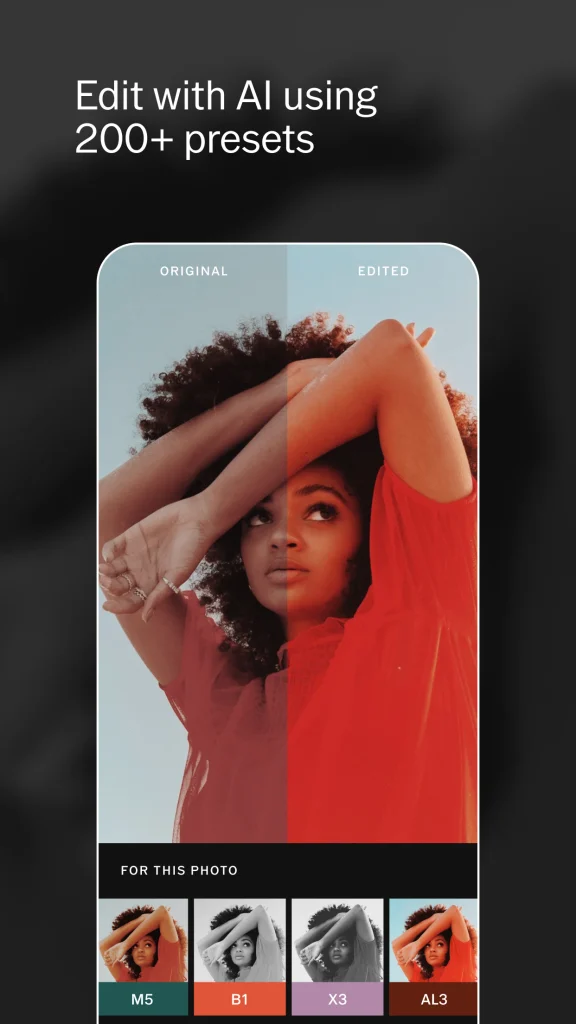
A preset may change the tone, contrast and color balance of a photo, but users can usually adjust its strength and continue editing afterward. This gives more flexibility than applying a filter at full intensity and accepting whatever result appears.
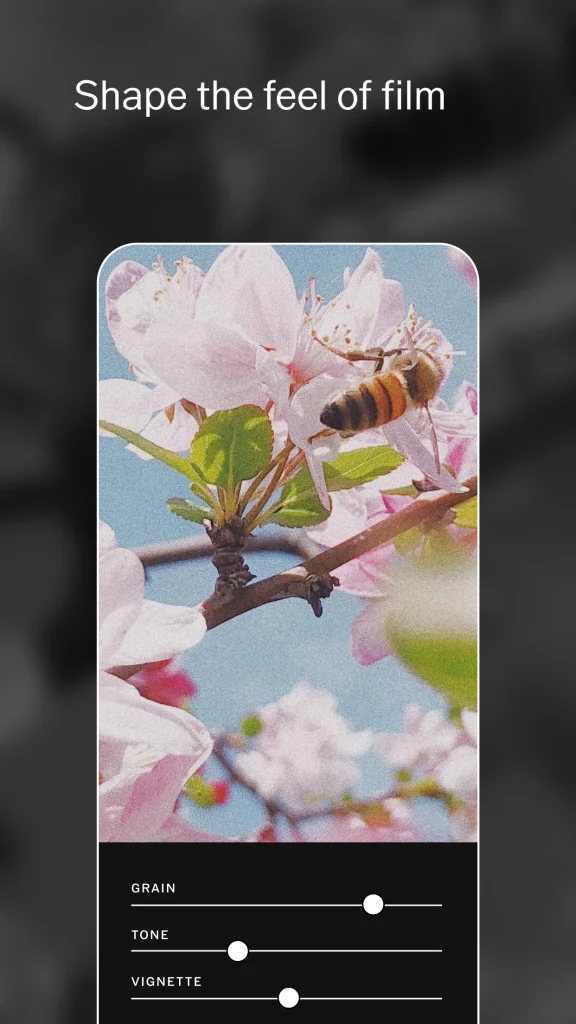
The app also includes familiar photo editing controls such as exposure, contrast, saturation, temperature, crop and sharpening. Depending on the version and subscription level available to a user, additional creative tools and advanced presets may also be offered.
This combination makes VSCO useful for casual social media users, photographers, content creators and small businesses that want their images to follow a recognizable visual style.
Presets Are the Main Attraction, but Subtle Editing Usually Works Better
VSCO is strongly associated with its preset collection. These presets can recreate different visual moods, including faded film tones, softer colors, warmer skin tones, muted shadows and higher-contrast looks. The mistake many beginners make is assuming that a preset should completely transform every photo.
In practice, a more natural result often comes from applying a preset and then reducing its intensity. After that, small adjustments to exposure, temperature and contrast can help the preset fit the actual lighting of the image.
Consider two photos taken on the same day. One is photographed outdoors in bright sunlight while the other is taken inside a café. Applying the exact same preset strength to both may produce very different results. The outdoor photo might become too bright while the indoor image may look overly warm. A better workflow is to use the same preset as the visual base and adjust each image individually. That approach creates consistency without making every photo look artificially identical.
Useful Editing Tools for Everyday Photos
You do not need to understand professional photo terminology before editing in VSCO. Most of the important controls solve simple visual problems.
Exposure
Exposure controls the overall brightness of the image. If a photo looks slightly dark, increasing exposure can make the subject easier to see. Raising it too much can remove detail from bright areas such as skies, windows or white clothing.
Contrast
Contrast controls the difference between darker and brighter parts of the photo. Higher contrast can make an image look stronger and more dramatic. Lower contrast often creates a softer or more faded appearance.
Temperature
Temperature changes whether the image feels warmer or cooler. A warmer adjustment introduces more yellow or orange tones while a cooler adjustment moves the image toward blue. This is especially helpful when indoor lighting gives skin tones or white objects an unnatural color.
Saturation
Saturation controls the strength of colors. Increasing it can make landscapes, clothing or food appear more colorful. Too much saturation can make skin tones and natural scenes look unrealistic, so small changes are usually safer.
Crop and Straighten
Cropping helps remove distracting areas and improve composition. Straightening is useful for horizons, buildings and interior photos where slightly tilted lines can make an otherwise good image feel careless. These basic adjustments often matter more than adding stronger effects.
A Simple VSCO Editing Workflow for Beginners
A good editing process does not need dozens of steps. Beginners can follow a simple order:
- Crop and straighten the photo first.
- Correct exposure if the image is too bright or dark.
- Apply a preset that suits the mood.
- Reduce or increase the preset strength.
- Fine-tune contrast and color temperature.
- Adjust saturation only when necessary.
- Check the final image at normal size before saving.
The order matters because editing a badly cropped or poorly exposed image with a strong preset can make the problems more noticeable. It is also useful to compare the edited version with the original. After staring at an edited image for several minutes, it becomes easy to lose perspective and keep increasing contrast, saturation or warmth without realizing how strong the effect has become.
VSCO Mod APK for Instagram, Branding and Content Creation
A major reason people search for VSCO presets is visual consistency. An Instagram feed, online store or personal brand usually looks more polished when its images share similar lighting and color characteristics. That does not mean every photo needs the exact same settings. It means the overall mood should feel connected.
A clothing brand might prefer soft neutral tones while a travel creator may use stronger blues and warmer highlights. A café could use warmer edits to make wood, coffee and indoor lighting feel inviting.
VSCO can help establish that look by giving creators a repeatable starting point. The useful lesson is to choose a small number of presets rather than constantly switching between completely different styles. Consistency usually comes from repeating a visual direction, not from finding a new effect for every upload.
Can VSCO Edit Videos Too?
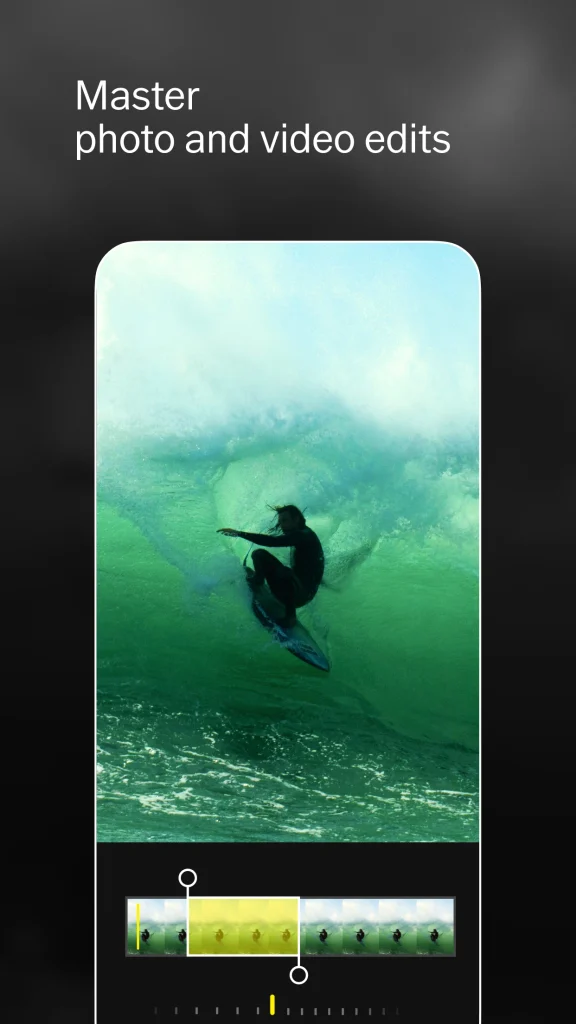
VSCO has expanded beyond basic photo editing and versions of the app may include video editing and additional creative tools. Availability can depend on the platform, app version and subscription plan, so users should check the current feature list inside the app before choosing it specifically for video work.
For basic creators, having photo and video tools within the same ecosystem can make it easier to maintain similar visual tones across different types of content. However, users who need advanced timeline editing, detailed audio controls or complex video effects may still prefer a dedicated video editor.
Free VSCO vs Paid Features
VSCO generally offers a mix of accessible tools and additional features linked to paid membership options. The exact collection of presets, editing tools and membership benefits can change over time, so pricing pages and current app-store listings are better sources for the latest plan details.
For a casual user who mainly needs basic brightness, crop and color adjustments, available free tools may be enough to judge whether the interface feels comfortable.
Someone who wants a larger preset library or more creative editing options may find greater value in a paid plan. The sensible approach is to decide based on the tools you actually use rather than choosing a plan simply because it includes more presets.
VSCO vs Lightroom and Snapseed: Which Type of User Fits Each App?
VSCO, Adobe Lightroom and Snapseed can all improve mobile photos, but they appeal to slightly different editing habits. This app is especially convenient for users who care about presets, aesthetic consistency and fast visual styling.
Lightroom offers deeper control for photographers who want detailed color adjustments, masking and a workflow that can extend into professional photography. Snapseed is often chosen by users who want a broad set of mobile editing tools without building their workflow mainly around preset packs.
None of these apps is automatically the best option for everyone. Someone creating a consistent lifestyle feed may prefer VSCO. A photographer working with RAW files may prefer Lightroom. A casual user who wants flexible manual editing may be comfortable with Snapseed. The best choice depends on how much control you need and how much time you want to spend editing.
Common Editing Mistakes That Make Photos Look Worse
One common mistake is applying heavy preset intensity to every image. Another is increasing saturation because a photo initially looks dull. Excessive saturation can quickly make grass, skies and skin tones look unnatural.
Sharpening can also become distracting when pushed too far. Instead of creating real detail, heavy sharpening may exaggerate edges and image noise. A useful rule is to finish the edit and then reduce any adjustment that immediately attracts attention to itself. People should notice the photograph before they notice the editing.
Is VSCO Worth Using for Beginners?
Yes, VSCO can suit beginners because its preset-based workflow makes it easy to create visually appealing edits without learning advanced software first.
At the same time, it offers enough manual adjustment to help users gradually understand concepts such as exposure, contrast, temperature and saturation.
It may be less suitable for someone who needs highly technical photo manipulation or advanced desktop-style editing. For everyday photography, social media content and visual branding, however, it provides a practical balance between simplicity and creative control.
The Best Way to Decide if VSCO Fits Your Editing Style
Instead of choosing an editor based only on the number of filters it offers, think about the type of images you want to create. If your priority is building a consistent aesthetic with film-inspired presets and straightforward controls, VSCO Pro APK is worth considering. If you need deeper RAW processing, detailed masking or professional retouching, another editor may fit your workflow better.
Start with a few images taken under different lighting conditions. Try one or two presets, adjust their strength and make small manual corrections. If you can produce the look you want without fighting the interface, the app is probably a good match.


![SexVid APK Download for Android [No ads]](https://apkpure.co.in/wp-content/uploads/2026/09/SexVid-ICON-96x96.png)